
Expertise · 06
Motifs, modules and installation details
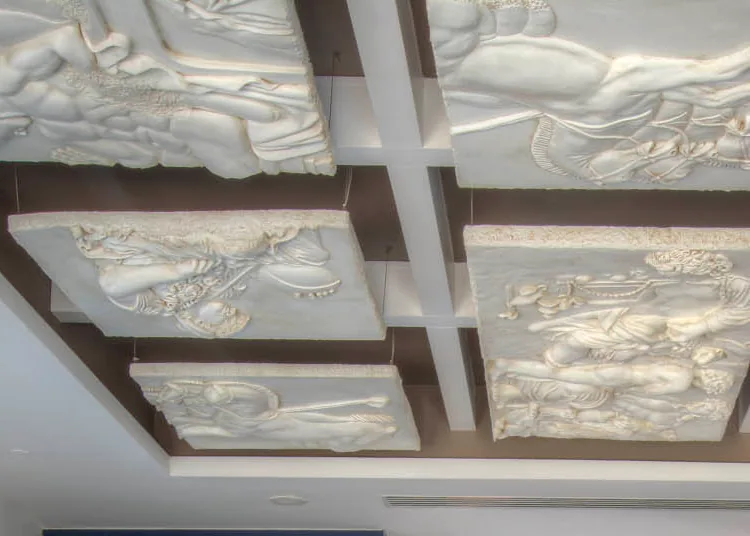
The motif, module dimensions and quantity of decorative wall and ceiling elements determine the production requirements. Corners, joints and finishes are documented in the installation drawings. Existing profiles and bespoke mould options are reviewed against the design brief and the dimensions of the space.
What the service covers
Illustrative images · AI-generated
Profiles and architectural finishes
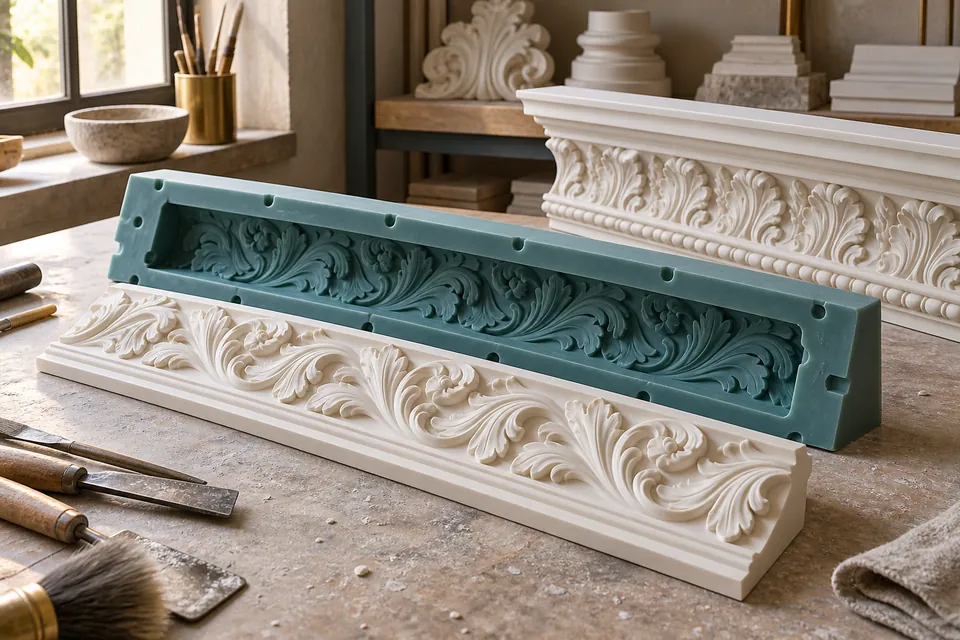
Cornice-style profiles, framing elements and decorative transitions are considered in relation to the space. Profile depth, shadows and the meeting point with walls or ceilings affect the result. Repeated pieces need defined corner and termination details before the installation is planned.
Reliefs and bespoke surface elements
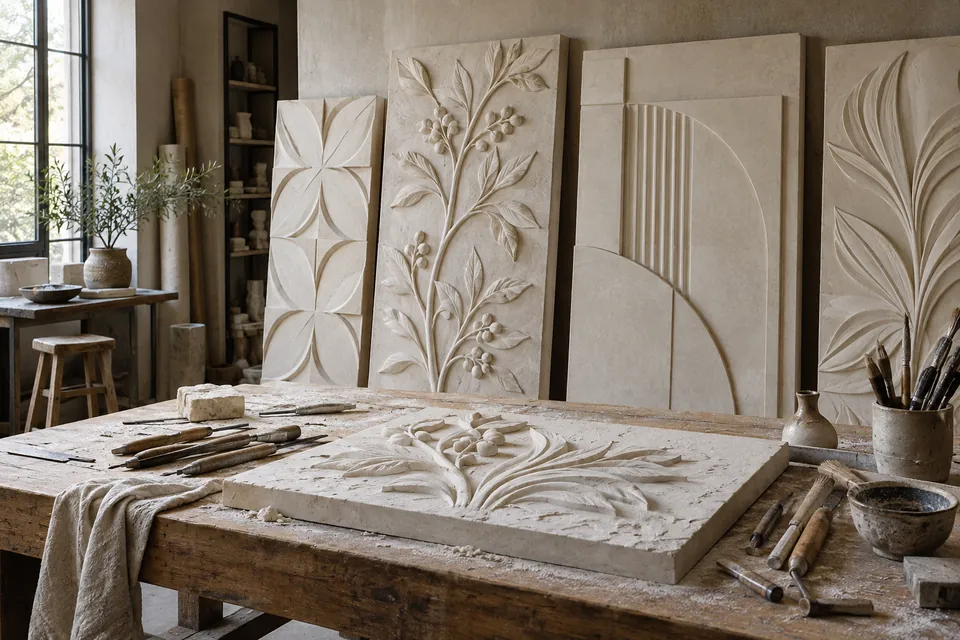
For custom motifs and repeated decorative modules, the relationship between the form and its mould needs consideration. Scale, surface arrangement and quantity affect production decisions. Reviewing a sample helps make the intended detail and finished surface tangible before the full application.
Finishes and installation interfaces
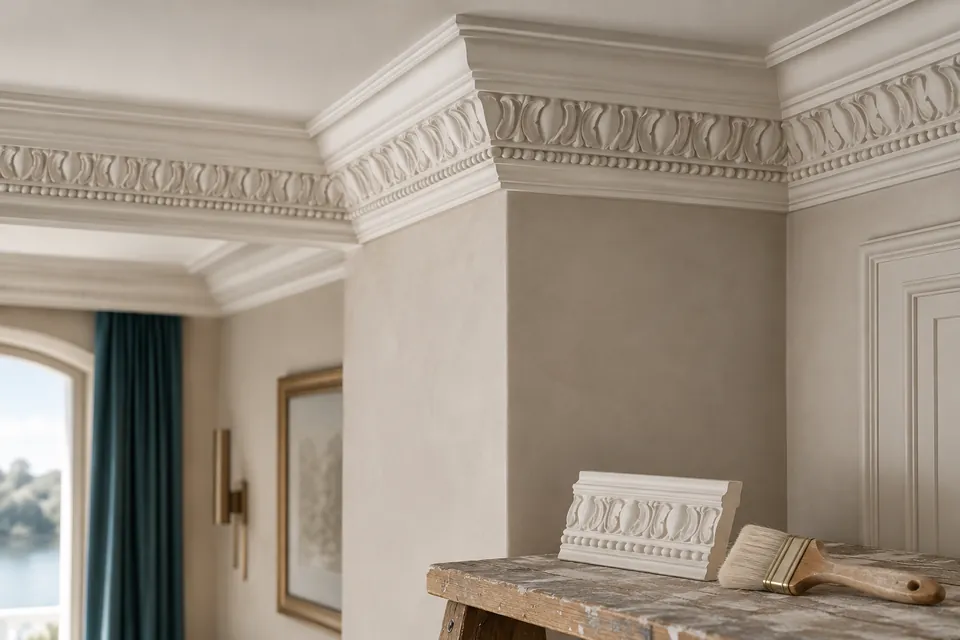
The substrate, joints and final finish matter alongside the element itself. Visible seams, module alignment and transitions to other materials are resolved for the project. Product information should also be considered when selecting compatible paints, adhesives and fixing systems.
Project stages
Scope, approval stages and the installation programme are defined for each project.
Illustrative images · AI-generated
Motifs and dimensions
Consider form, dimensions, quantity and application surface together.
Mould review
Review existing profiles or bespoke forms against repetition and detail expectations.
Sample approval
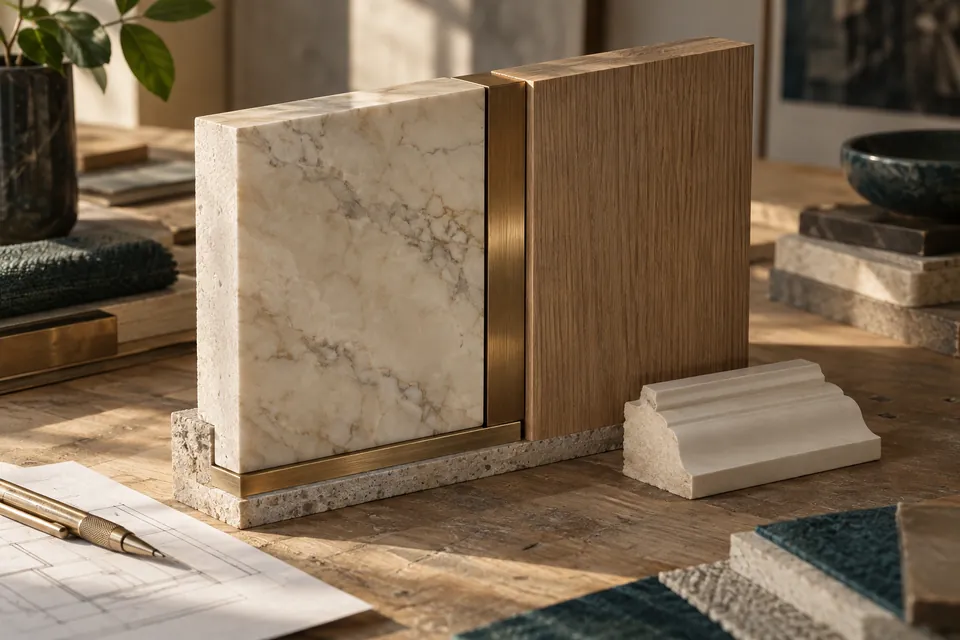
Evaluate the motif, finish and intended junctions through a physical reference.
Installation details
Define substrates, module layout, joints and finishing systems before installation.
Technical considerations
Technical suitability and finishing systems
The word polyurethane does not, on its own, establish a fire classification, exterior suitability or guaranteed performance in a particular environment. These characteristics need to be checked against product documentation and the application system. Share the hotel’s performance requirements early; aesthetic approval and technical suitability are separate decisions.
From the project archive
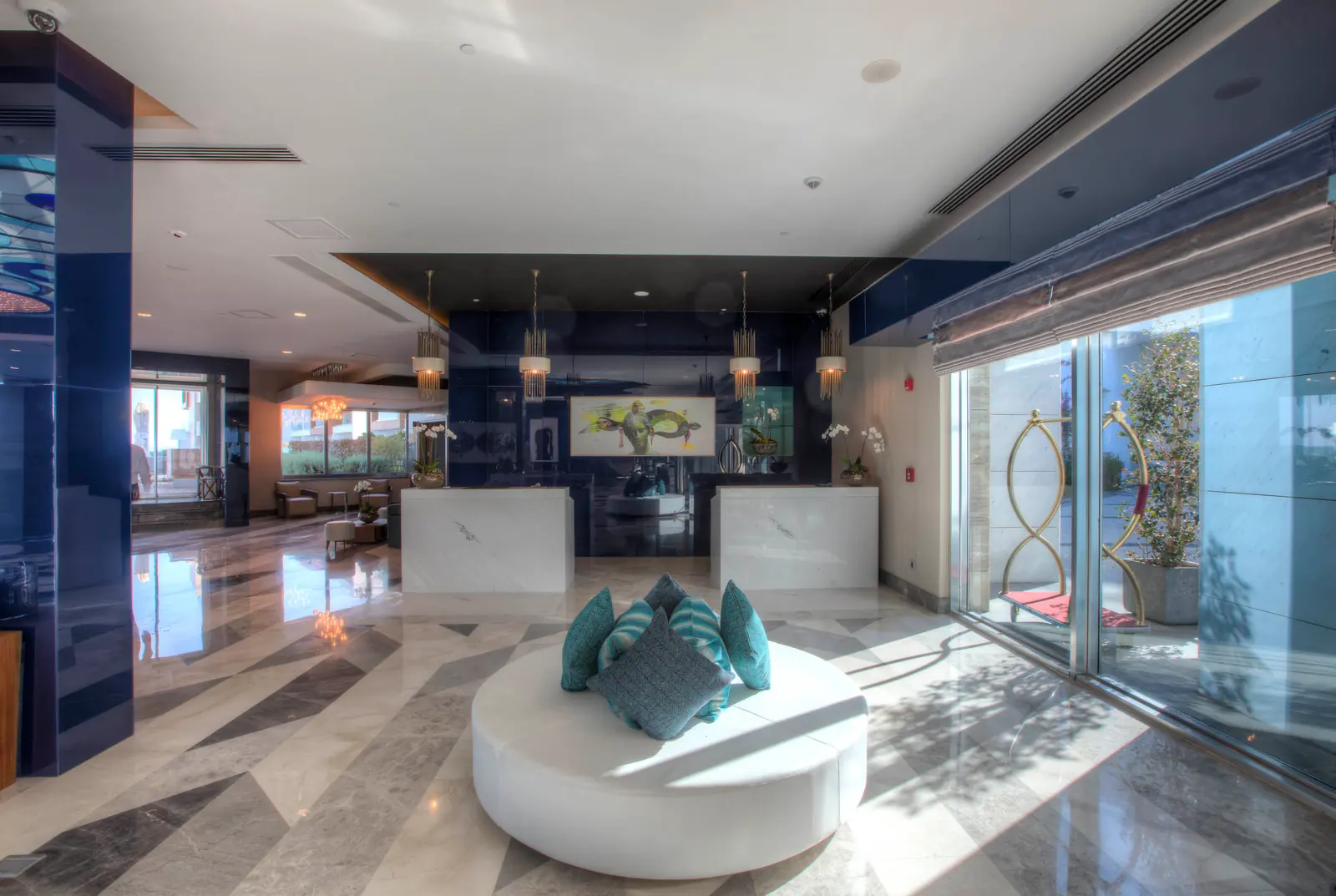
Sirene Luxury Hotel
Explore more photographs from this interior in the project gallery.
 View the project ↗
Frequently asked questions
Where can decorative polyurethane be considered indoors?
Applications include bespoke profiles, reliefs, frames and architectural surface details. ARTMİM produces custom mouldings and decorative interior elements. A specific use should be assessed against product information and project requirements.
Can a project-specific motif or mould be developed?
ARTMİM offers custom moulding solutions for interior projects. Motif dimensions, detail, quantity and location are needed for review. A new mould and an existing profile have different implications for production planning.
Are polyurethane elements suitable for every environment?
Suitability depends on the product, finish system and use conditions. Fire performance, moisture exposure or exterior requirements should be checked against relevant technical documentation. The material name alone does not confirm those characteristics.
What should an initial decorative manufacturing brief include?
Share a motif reference or drawing, approximate dimensions, quantity, application surface and intended finish. Interior photographs and any technical specification help assess the form and installation requirements together.